


Our Locations
Top Locations
Old And New Fortress
Discover Old and New Fortress
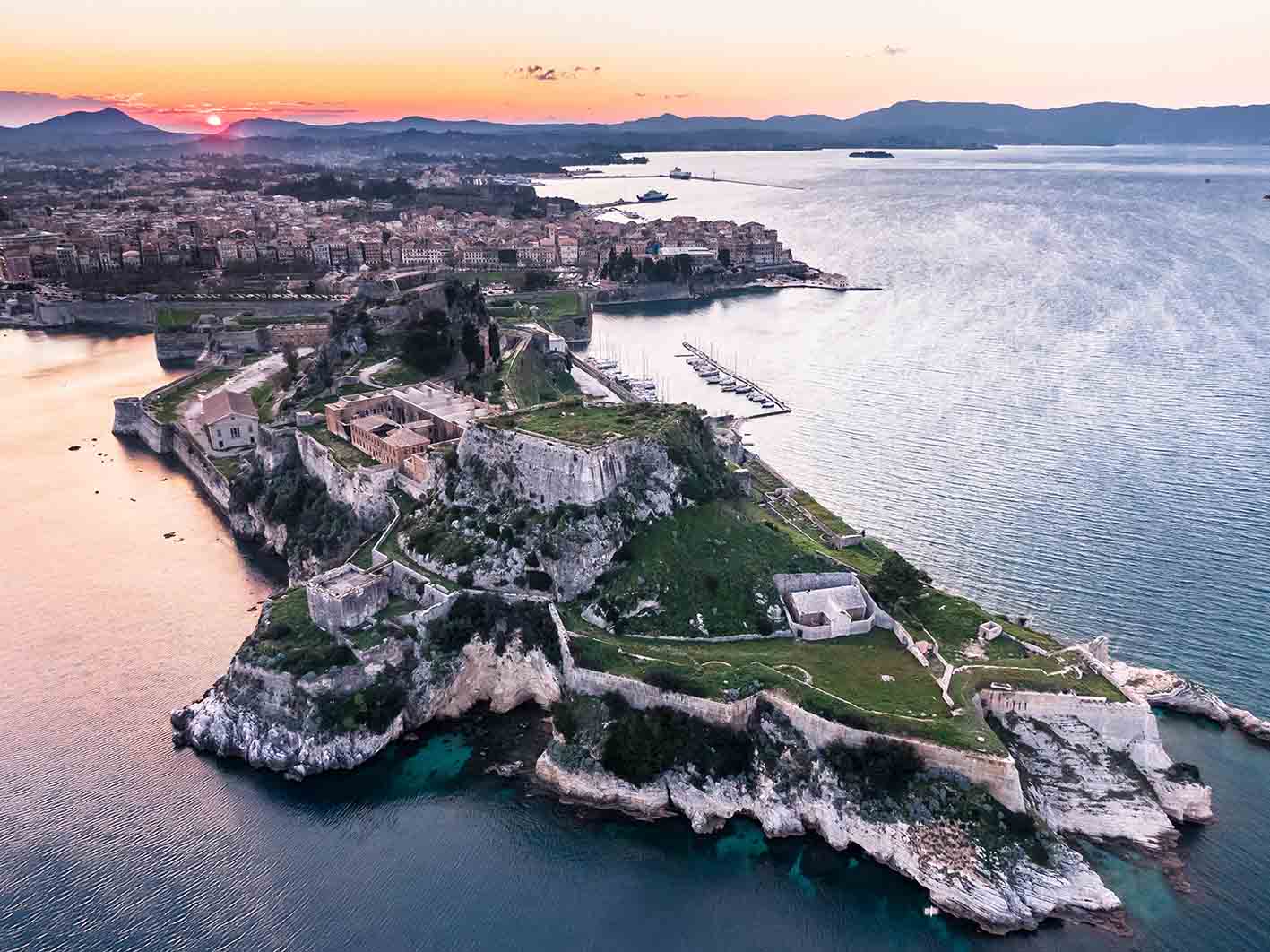
The fortress was constructed after the 15th century from the Venetian fortifications in the former Byzantine capital of the island. The current form of this impressive ensemble is mainly the result of the work of the Venetians with alterations and additions made during the period of British protection (1814-1864), after conversions. These changes were made to defend against the raids of the Turkish Empire. The Venetians tried to strengthen the fortifications, dig later ditches around the fortress and smooth the rocks to prevent any possible climbing.
Interesting facts about Old and New Fortress
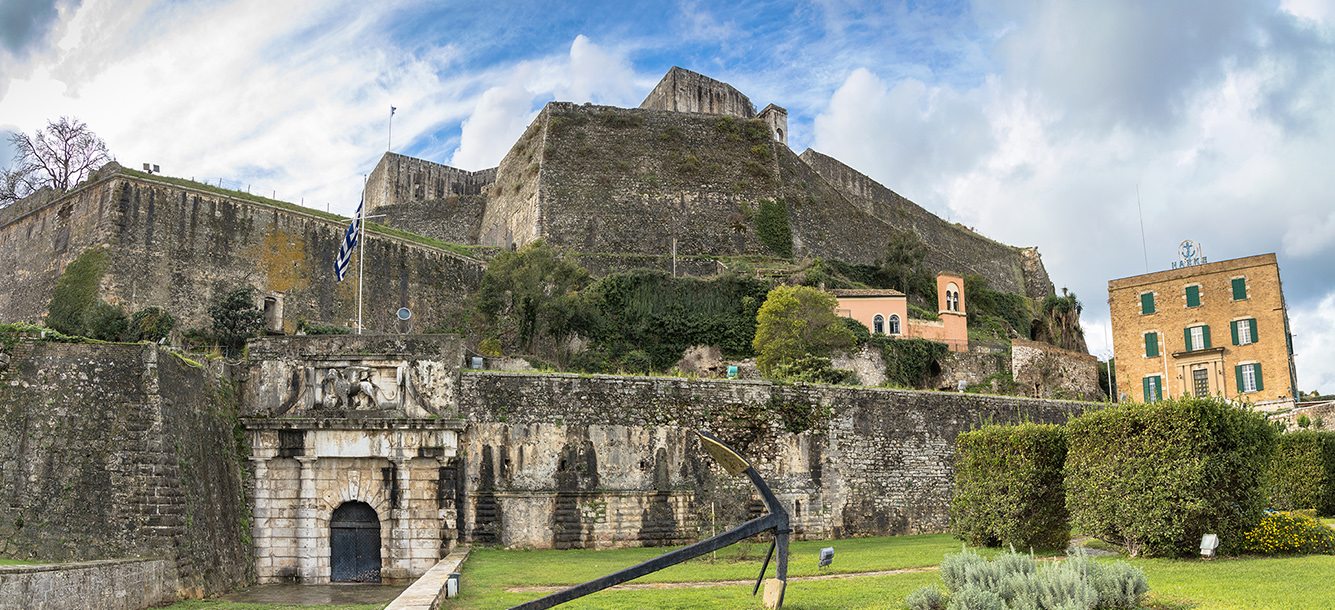
In front of the arched entrance to the Fortress, a statue in honor of Marshall Schulenburg was placed, made by the Venetians because Marshall helped Corfu repel the Turks. From there, a corridor leads to the center of the citadel. Another corridor on the left leads to the northern extension of the fortress. The route to the citadel is uphill and truly beautiful. The climb to the top of the hill rewards the visitors with a panoramic view from a point where the city and the outskirts of Corfu as well as the northern side of the island and the opposite coasts and mountains of Albania are visible.
At the end of the 16th century, the enormous project of walling off the city was completed with the construction of the New Fortress. The New Fortress was built at the Northwest end of the town and the defensive line isolated the city both from the countryside and the sea. This is one of the most perfect defensive sets of the period, which proved its effectiveness by repelling repeated Turkish attacks.
It is a solid austere building, which stands imposingly above the Old Port and offers a unique panoramic view of the city and the open sea. The Gate of the New Fortress is decorated with a magnificent relief of the Lion of Saint Mark, the emblem of Venice. In the Fortress, there are two English barracks, one next to the Gate and the other on the second level, while there is also a church, probably from the 17th century, Panagia Spilaiotissa. Today, in addition to Navy facilities, the New Fort hosts exhibitions of photography, painting, etc., and its premises hosts music concerts and other artistic activities.
More Accommodations














Let's plan your vacation!
Τhe team of Hestia Travel will happily help you plan your next holidays and create your dream vacation. Should you have any further questions, please do not hesitate to contact us.